Navigating a college campus for the first time—especially if you're juggling classes, work, and family—can feel overwhelming. At Ivy Tech Community College’s Evansville campus, knowing where classrooms, labs, parking, and student services are located isn’t just convenient—it’s essential. The Ivy Tech Evansville campus map is more than a digital image; it’s your first tool for academic and logistical success. Whether you're a new student, visiting parent, or guest speaker, understanding how to use the campus map effectively saves time, reduces stress, and improves your on-campus experience.
This guide dives deep into the layout, key locations, navigation tools, and practical tips for using the Ivy Tech Evansville campus map. No fluff. No filler. Just what you need to move across campus with confidence.
Understanding the Ivy Tech Evansville Campus Layout
The Ivy Tech Evansville campus spans over 50 acres at 3501 N. Court Avenue in Evansville, Indiana. It's the largest of Ivy Tech’s statewide campuses and serves more than 8,000 students annually. The campus is modern, well-maintained, and designed with student flow in mind—but its size means you can’t rely on guesswork.
The layout is divided into several academic and administrative zones:
- Academic Core: Houses classrooms, science labs, and lecture halls.
- Student Services Wing: Admissions, advising, financial aid, and testing center.
- Learning Commons: Library, tutoring, and computer labs.
- Workforce Development Center: Industry-specific training labs.
- Athletics & Recreation: Gymnasium, fitness center, and sports fields.
- Parking & Transit Hubs: Multi-level parking and shuttle drop-offs.
Each building is color-coded and labeled on the official campus map, which is available online and posted at key entry points. But knowing the zones isn’t enough. You need to know how to use the map in real-world scenarios.
How to Access the Official Campus Map
The most reliable version of the Ivy Tech Evansville campus map is hosted on the college’s official website. Here’s how to find it:
- Go to ivytech.edu/evansville.
- Click on “Campus Life” in the top navigation menu.
- Select “Campus Map” from the dropdown.
You’ll be directed to an interactive PDF or web-based map (depending on updates) that allows you to:
- Zoom in and out
- Search for building names or room numbers
- Print a copy for offline use
- View parking lot assignments by student status
Pro Tip: Save the map link to your phone’s home screen. Rename it “Ivy Tech Map” so it’s one-tap accessible during class changes or first-day navigation.
Some students make the mistake of relying on Google Maps alone. While it helps with driving directions, Google Maps doesn’t always reflect recent building renovations, temporary closures, or footpath shortcuts on campus. Always cross-reference with the official map.
Key Buildings and What They House
Not all buildings are created equal. Knowing what’s inside each one helps you plan your day. Here’s a breakdown of the most frequently visited locations:
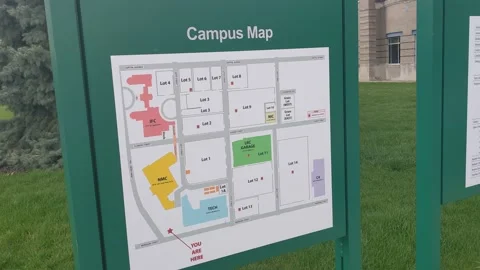
#### Rupp Arena Building (Building A) - Home to general education courses: English, math, history - Faculty offices for liberal arts instructors - Lecture-style classrooms with seating for 50+ - Common mistake: Students confuse this with the downtown Evansville Rupp Arena—don’t. This is an academic building.
#### The Learning Commons (Building B) - Library resources and study rooms - Writing center and peer tutoring - 100+ public computers and printing stations - Quiet zones and group collaboration areas
Use Case: If you have a 2-hour gap between classes, head here. It’s climate-controlled, secure, and Wi-Fi is reliable.
#### Workforce Development Center (Building D) - High-tech labs for nursing, radiography, and engineering tech - Simulation labs with hospital-grade equipment - CNC machining and automotive training bays - Industry partner offices (e.g., Mead Johnson, Berry Global)
This building often requires student ID swipes for lab access. Arrive early if you have hands-on training.
#### Student Services Center (Building C) - One-stop shop for: - Enrollment and registration - Financial aid counseling - Disability support services - Veteran affairs office - Cashier’s office for tuition payments - ID badge pickup station
Workflow Tip: Visit early in the semester. Lines grow long the week before classes start.
#### Physical Education & Athletics (Building E) - Gymnasium with basketball and volleyball courts - Cardio and weight training room - Locker rooms and showers - Home to Ivy Tech’s esports and volleyball teams
Students enrolled in PE classes or club sports use this daily. Open recreation hours are posted online.
Parking Made Simple: Lots, Permits, and Restrictions
One of the top frustrations for new students? Finding parking. The Evansville campus has over 1,200 parking spaces, but they’re not all available to everyone.
Here’s how parking works:
| Lot | Access | Notes |
|---|---|---|
| Lot 1 (North) | Students, Faculty, Staff | Closest to Buildings A, B, C |
| Lot 2 (East) | Students with permits | Near Building D, ideal for workforce students |
| Lot 3 (West) | Visitors, Events | Requires guest pass from Security |
| Lot 4 (South) | Faculty/Staff Only | Swipe access after 6 AM |
Critical Detail: Student parking permits are free but must be requested online through the student portal. Without one, you risk being towed—especially during peak hours (7–9 AM and 4–6 PM).
Realistic Scenario: You arrive at 8:15 AM for an 8:30 class in Building D. Lot 1 is full. Your best bet? Head to Lot 2. Even if you don’t have a permit yet, parking enforcement usually gives a 30-minute grace period during the first two weeks of the semester. Use that time to get your permit sorted in Building C.
Accessibility and Campus Mobility
Ivy Tech Evansville is ADA-compliant, and the campus map reflects this. But accessibility isn’t just about ramps—it’s about clear pathways, signage, and emergency access.
Key accessibility features:
- All buildings have automatic doors and elevator access
- Sidewalks are wide, heated in winter, and well-lit
- Accessible parking spaces closest to building entrances
- Braille signage in high-traffic corridors
- Shuttles for students with mobility challenges (request through Student Services)
Common Oversight: Students using mobility aids sometimes miss that Building D’s back entrance has the gentlest ramp gradient. It’s not the main door, but it’s the easiest access point from Lot 2.

If you or someone you know needs accommodations, contact Disability Support Services before arrival. They can provide a personalized campus walkthrough map or arrange a guided tour.
Using the Map for Class Planning and Daily Scheduling
Your class schedule and the campus map should be used together—like GPS and a road atlas.
Example Workflow: You’re enrolled in: - 8:00 AM: Biology 101 (Room A204) - 10:00 AM: Math 136 (Room B110) - 1:00 PM: Nursing Lab (Room D305)
- Steps:
- Open the campus map.
- Locate Rooms A204, B110, and D305.
- Trace the walking route between them.
- Note transition time: A to B is 4 minutes; B to D is 6 minutes via the covered walkway.
Result: You now know you have a 16-minute buffer between Math and Nursing. Use it to grab lunch at the campus café in Building C or review lab instructions.
Pro Move: Print a personalized map with your class buildings highlighted. Tape it inside your backpack or save it as your phone wallpaper during finals week.
Common Map Mistakes and How to Avoid Them
Even with a good map, students get lost. Here are the most frequent errors:
- Relying on outdated print copies
- Campus construction updates happen. Always check the website version.
- Missing room numbering logic
- First digit = floor (e.g., Room 204 is on the second floor). Misreading this leads to late entries.
- Ignoring footpath closures
- During winter or construction, some walkways close. The official map is updated weekly.
- Assuming all services are in one building
- Financial aid is in C, but disability services might be in a satellite office in D. Double-check.
- Not saving offline access
- Campus Wi-Fi can lag. Download the map PDF before leaving home.
Avoid these, and you’ll move like a veteran by week two.
Beyond the Map: Apps and Tools That Help
While the campus map is essential, it’s not the only tool. Pair it with these digital resources:
- Ivy Tech Student Portal
- Syncs your class schedule with calendar alerts and room numbers.
- Google Maps (Satellite View)
- Use to scout building exteriors and entrances before arrival.
- Apple Maps / Android GPS
- Navigate to “Ivy Tech Evansville – Main Entrance” for turn-by-turn driving.
- Campus Rover App (Unofficial)
- Third-party tool with 3D building views and estimated walk times.
- Text Alerts from Campus Security
- Subscribe for real-time updates on closures, weather delays, or safety notices.
These don’t replace the official map—they enhance it.
Final Tips for Mastering Campus Navigation
Success at Ivy Tech Evansville starts with orientation, but it’s sustained by efficiency. Here’s how to stay on top of your campus game:
- Walk the route the day before – Especially for labs or exams.
- Bookmark the map on all devices – Laptop, phone, tablet.
- Use landmarks – The red clock tower near Building B is a great meeting point.
- Ask for help early – Campus ambassadors wear blue vests and carry maps.
- Update your map weekly – Especially during construction seasons (spring and summer).
The campus map isn’t just about geography. It’s about reducing friction in your educational journey.
Take action today: Open the Ivy Tech Evansville campus map, locate your next class, and time the walk. Do it now—before the semester rush begins.
FAQ
What should you look for in Ivy Tech Evansville Campus Map: Navigate with Confidence? Focus on relevance, practical value, and how well the solution matches real user intent.
Is Ivy Tech Evansville Campus Map: Navigate with Confidence suitable for beginners? That depends on the workflow, but a clear step-by-step approach usually makes it easier to start.
How do you compare options around Ivy Tech Evansville Campus Map: Navigate with Confidence? Compare features, trust signals, limitations, pricing, and ease of implementation.
What mistakes should you avoid? Avoid generic choices, weak validation, and decisions based only on marketing claims.
What is the next best step? Shortlist the most relevant options, validate them quickly, and refine from real-world results.