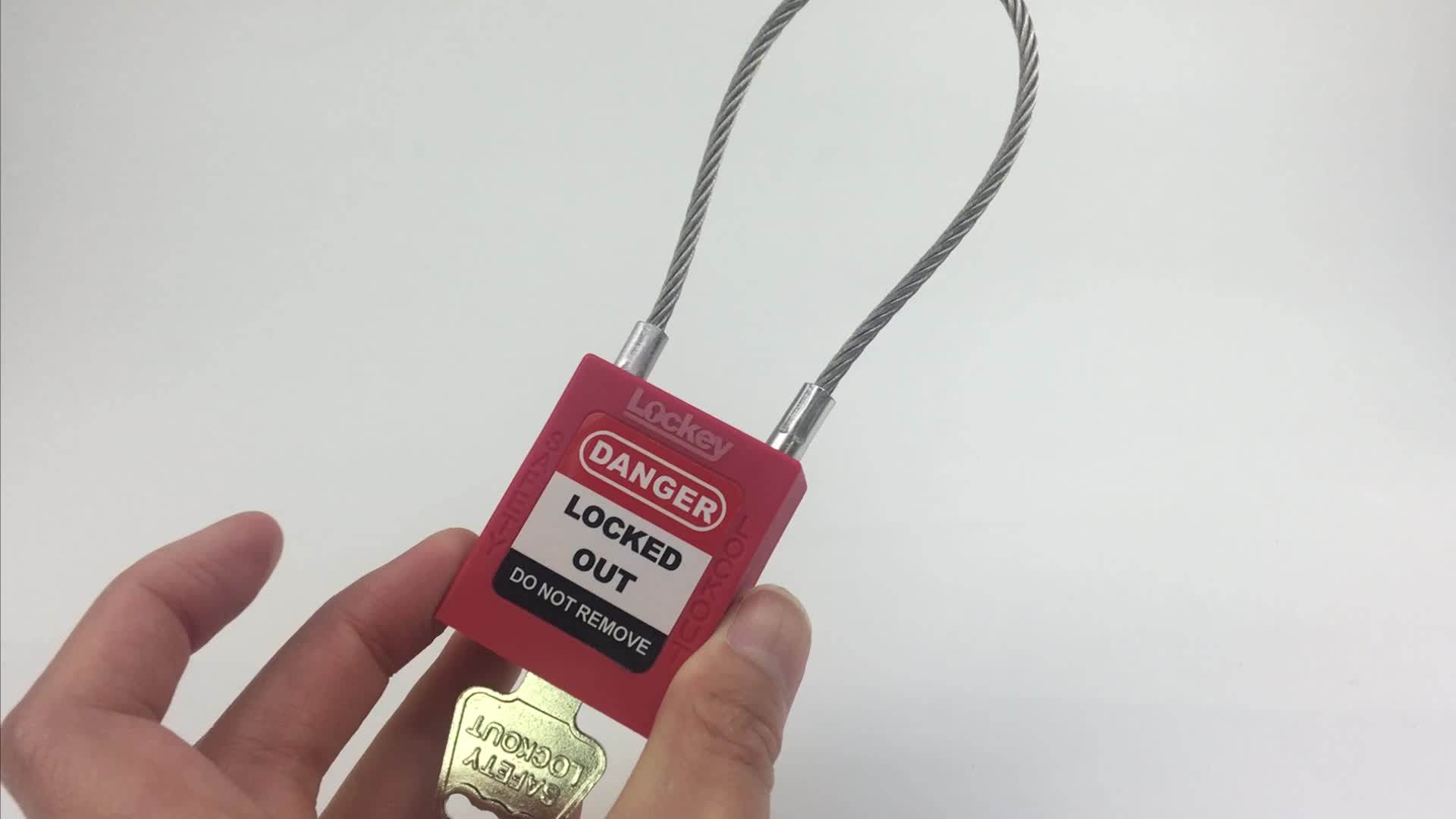
Workers shouldn’t have to guess whether a machine is safe to service. Yet across manufacturing, maintenance, and industrial environments, incomplete or missing lockout tagout documentation puts lives at risk every day. OSHA cites inadequate energy control procedures as a top safety violation—often because documentation fails to reflect real-world conditions.
Effective lockout tagout (LOTO) documentation isn’t a formality. It’s the backbone of a functional safety system, ensuring every employee follows the same clear, enforceable steps to de-energize equipment. Without it, even well-trained teams can make fatal mistakes.
This guide cuts through the compliance noise. You’ll learn how to build practical, auditable LOTO documentation that holds up under inspection and works on the shop floor.
Why Lockout Tagout Documentation Matters Beyond Compliance
Lockout tagout documentation is more than a binder on a shelf. It’s a living operational record that defines how machines are isolated, who is responsible, and what safeguards are in place. When done right, it prevents accidental startup, protects maintenance teams, and creates accountability.
Consider a real incident: a maintenance technician servicing a conveyor belt assumes it’s de-energized. The circuit breaker was off, but no lockout device was applied, and no documentation listed the specific energy sources. A co-worker resets the breaker remotely, unaware of the ongoing work. The result: severe injury.
This wasn’t just human error—it was a documentation failure. Proper LOTO documentation would have:
- Identified all energy sources (electrical, mechanical, pneumatic)
- Specified isolation points
- Listed required lockout devices
- Assigned authorized employee responsibilities
- Included verification steps
Without these elements, procedures become assumptions. With them, safety becomes repeatable.
Core Components of Effective LOTO Documentation
Not all lockout tagout documents are created equal. To be effective, your documentation must include these non-negotiable elements:
#### 1. Equipment-Specific Procedures Generic instructions don’t work. Each machine must have a dedicated LOTO procedure. For example, a CNC lathe with hydraulic and electrical systems needs different steps than a standalone air compressor.
A strong procedure includes: - Machine name and ID number - Location - Energy types involved (electrical, hydraulic, thermal, etc.) - Step-by-step shutdown and isolation sequence - Specific lockout points (valves, breakers, disconnects) - List of required locks, tags, and tools - Verification method (e.g., trying to start the machine after isolation)
#### 2. Authorized Employee Assignments Only trained, authorized employees can implement LOTO. Documentation must clearly identify who holds this role for each machine or department. Include names, roles, and training dates—updated annually.
#### 3. Lockout Device Inventory Track every lock, tag, hasp, and breaker lockout used. Include: - Device type - Unique ID number - Assigned employee - Storage location
This prevents "loaning" locks and ensures traceability during audits.
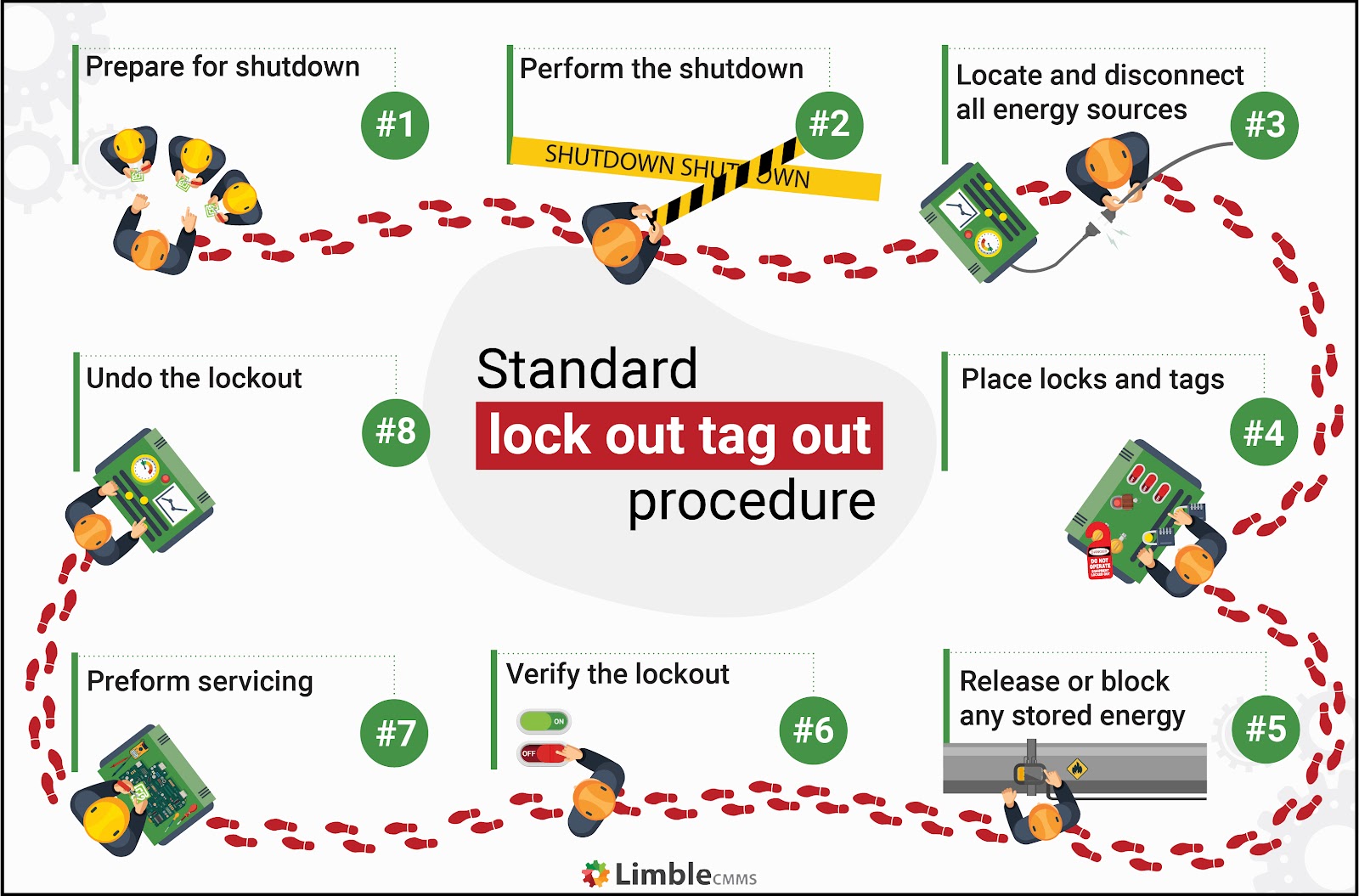
#### 4. Energy Control Flowcharts Visual aids reduce errors. A simple flowchart showing shutdown → isolation → locking → verification helps new employees follow the process correctly.
#### 5. Review and Revision Log Procedures evolve. Document when changes are made, why, and who approved them. A revision dated “March 2024 – updated for new hydraulic line installation” shows due diligence.
Common Documentation Mistakes That Invite Risk
Many companies believe they’re compliant—until an audit or incident reveals gaps. Here are real-world LOTO documentation pitfalls:
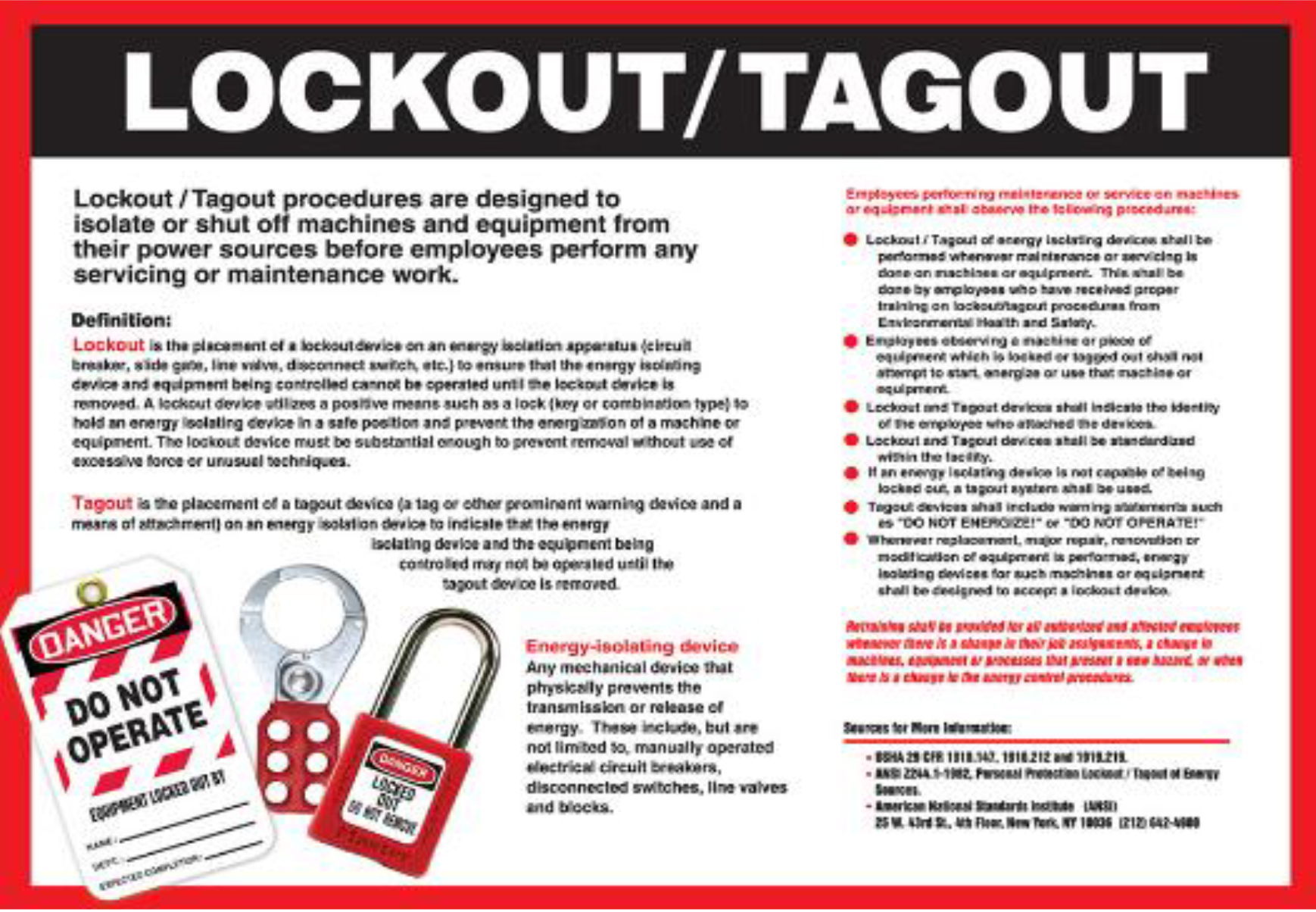
1. Copy-Pasting Procedures Using a template without adapting it to actual equipment is widespread. A boiler LOTO procedure applied to a packaging line ignores pneumatic residual energy risks.
Fix: Conduct a full energy source audit for each machine before writing procedures.
2. Outdated Information A machine is retrofitted with a new control panel, but the LOTO document still references old breaker locations.
Fix: Tie documentation updates to maintenance work orders. If equipment changes, procedures are reviewed.
3. Missing Verification Steps Procedures say “isolate energy source” but don’t require testing. Workers assume power is off without checking.
Fix: Add a mandatory verification line: “Attempt to start machine after lockout. Confirm zero energy.”
4. Unclear Responsibility “Lock out the press” doesn’t specify who applies the lock. Multiple people assume someone else did it.
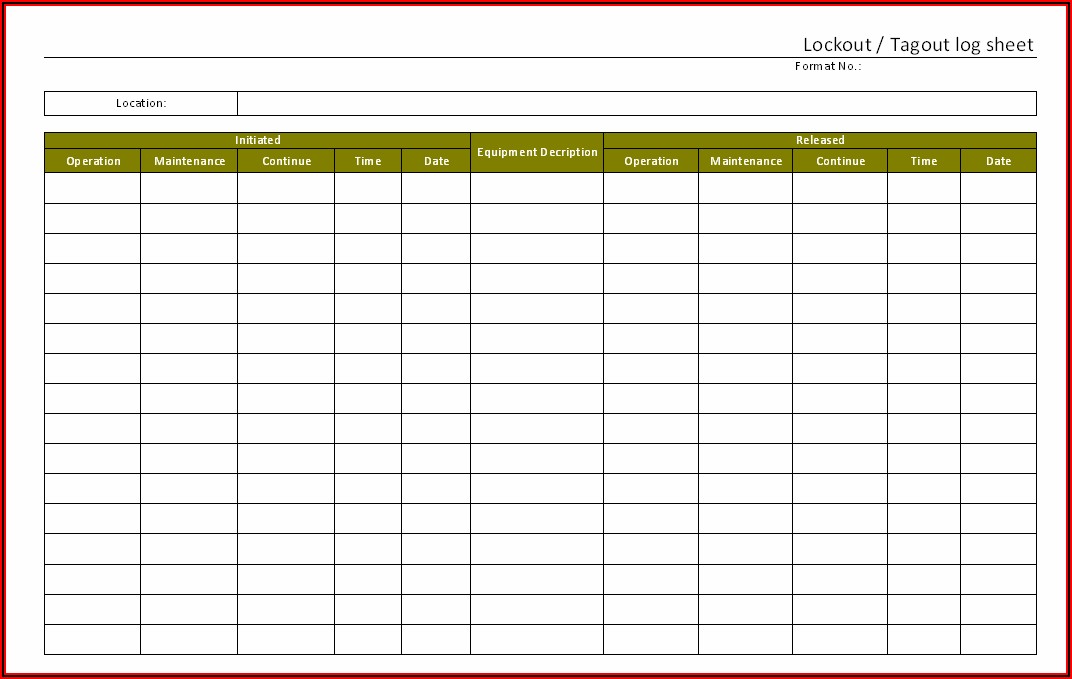
Fix: Require employee name and lock ID in the log sheet for each LOTO event.
5. Inaccessible Formats Documents locked in an office or saved only digitally during a power outage create delays and bypasses.
Fix: Print laminated copies near machines and maintain a digital backup with offline access.
Step-by-Step: Building a LOTO Documentation System
Creating compliant, usable documentation doesn’t have to be complex. Follow this workflow:
#### Step 1: Inventory All Equipment List every machine requiring LOTO. Include mobile equipment (e.g., forklifts under repair) and shared systems (e.g., air lines).
#### Step 2: Identify Energy Sources For each machine, document every form of hazardous energy: - Electrical (main disconnects, capacitors) - Mechanical (springs, gravity-fed systems) - Hydraulic/pneumatic (pressurized lines) - Thermal (steam, hot surfaces) - Chemical (residual fuel, gases)
#### Step 3: Map Isolation Points Physically locate and label every disconnect, valve, or block point. Use tags or paint to mark them on-site.
#### Step 4: Write Equipment-Specific Procedures Use a consistent template. Example for a hydraulic press:
Machine: 50-Ton Hydraulic Press – Model HP-300 Location: North Production Line, Station 4 Energy Sources: Electrical (480V), Hydraulic (1500 psi), Mechanical (ram spring) > Steps: 1. Notify all affected employees. 2. Shut down using emergency stop button. 3. Shut off main power at disconnect switch (ID: E-447). 4. Close hydraulic supply valve (ID: H-12) and bleed pressure. 5. Apply personal lock and tag to disconnect and valve. 6. Attempt to start machine – confirm no movement. 7. Begin maintenance. > Verification: Zero energy confirmed by visual check and test operation.
#### Step 5: Train and Certify Train authorized employees on each procedure. Keep records of attendance, practical assessments, and refresher training.
#### Step 6: Audit Quarterly Review 2–3 procedures per audit. Verify accuracy, employee understanding, and compliance with actual practices.
Digital vs. Paper-Based LOTO Documentation: What Works?
The debate isn’t about technology—it’s about reliability and access.
| Factor | Paper-Based | Digital System |
|---|---|---|
| Accessibility during outages | High | Low (if offline access missing) |
| Update speed | Slow (printing, distribution) | Instant |
| Audit trail | Manual logs | Automated timestamps |
| Employee training integration | Limited | Can link to videos, quizzes |
| Risk of damage/loss | High (water, fire) | Low (with backups) |
Best Practice: Use a hybrid model. Maintain printed copies at point-of-use and a secure digital version for updates, training, and audits. Cloud platforms with offline mode (e.g., SafetyCulture, iAuditor) bridge the gap.
Top 5 LOTO Documentation Tools and Platforms For teams scaling beyond binders, these tools streamline creation, access, and compliance:
- iAuditor by SafetyCulture
- - Custom LOTO checklists
- - Offline mobile access
- - Photo evidence and digital signatures
- - Ideal for field audits and real-time updates
- EHS Insight
- - Full LOTO procedure builder
- - Employee training tracking
- - Automated reminders for reviews
- - Integrates with incident reporting
- ProcessMAP
- - Visual workflow designer for LOTO steps
- - Barcode scanning for lock tracking
- - Strong audit and compliance reporting
- LockOut/TagOut Pro (iOS/Android)
- - Mobile-first app for small teams
- - Pre-built templates
- - Device inventory management
- - Exportable PDF logs
- Intelex (now part of Sphera)
- - Enterprise-grade EHS platform
- - Full LOTO lifecycle management
- - Advanced analytics and OSHA reporting
- - High setup cost, suited for large operations
Choose based on team size, equipment complexity, and IT infrastructure. A 10-person shop may only need a mobile app; a plant with 200 machines benefits from centralized software.
Real-World Use Cases: LOTO Documentation That Works
Case 1: Food Processing Plant A facility had repeated near-misses during mixer cleaning. Investigation found no LOTO procedure addressed residual energy from spinning drums. They revised documentation to include: - Mandatory drum lock pins - Visual inspection checklist - Dual-lock requirement for cleaning crews
Result: Zero incidents in 18 months.
Case 2: Automotive Repair Shop Technicians bypassed LOTO, claiming it was too slow. The shop introduced laminated, illustrated one-page guides next to each lift. Procedures were reduced from 12 steps to 6 clear actions with icons.
Result: 90% compliance increase in 3 months.
These aren’t theoretical fixes. They’re examples of documentation designed for real people in real environments.
Make LOTO Documentation Actionable, Not Administrative
The goal isn’t to satisfy regulators—it’s to prevent harm. The best LOTO documentation is used daily, trusted by workers, and treated as a core operational tool.
Start today: - Audit one machine’s current procedure - Walk through it with a technician - Identify gaps in clarity or completeness - Revise and post it within 48 hours
Repeat weekly until all critical equipment is covered.
Documentation isn’t paperwork. It’s protection. When every lock has a record and every procedure reflects reality, you’re not just compliant—you’re genuinely safe.
FAQ What should be included in a lockout tagout log? A log should record the date, equipment ID, authorized employee, lock IDs used, start/end times, and verification method.
How often should LOTO documentation be reviewed? Annually at minimum, or whenever equipment changes, incidents occur, or processes are updated.
Can LOTO procedures be stored digitally only? Only if employees can access them during shutdowns—even during power outages. Offline access is required.
Who is responsible for creating LOTO documentation? Authorized employees and safety managers, with input from maintenance teams who work on the equipment.
Is a tag enough without a lock? No. Tags are warnings; locks are physical restraints. OSHA requires both—lockout is primary, tagout secondary with additional safeguards.
Do portable tools need LOTO documentation? Yes, if they’re being serviced and connected to hazardous energy sources (e.g., bench grinders, saws with electrical input).
Can multiple employees use the same lockout procedure? Yes, but each must apply their own lock and follow the documented steps independently.
FAQ
What should you look for in Lockout Tagout Documentation: The Complete Guide for Compliance? Focus on relevance, practical value, and how well the solution matches real user intent.
Is Lockout Tagout Documentation: The Complete Guide for Compliance suitable for beginners? That depends on the workflow, but a clear step-by-step approach usually makes it easier to start.
How do you compare options around Lockout Tagout Documentation: The Complete Guide for Compliance? Compare features, trust signals, limitations, pricing, and ease of implementation.
What mistakes should you avoid? Avoid generic choices, weak validation, and decisions based only on marketing claims.
What is the next best step? Shortlist the most relevant options, validate them quickly, and refine from real-world results.