Equipment failure isn’t always the biggest threat in industrial environments. The real danger often comes during maintenance—when machines are off, but not truly safe. That’s where lockout locks and tags become non-negotiable. They’re not accessories; they’re frontline defenses against electrocution, unexpected startups, and catastrophic injuries.
Lockout locks and tags are the physical and visual components of a broader Lockout/Tagout (LOTO) procedure. These systems ensure machines stay de-energized while workers perform service or repairs. Ignoring them isn’t just risky—it violates OSHA regulations and puts entire operations on the line.
This guide breaks down everything you need to know: how these devices work, where they're used, and how to implement them effectively.
Why Lockout Locks and Tags Are Critical
Every year, hundreds of workers suffer severe injuries because machinery was accidentally re-energized during maintenance. According to OSHA, compliance with LOTO procedures could prevent 120 deaths and 50,000 injuries annually in the U.S. alone.
Lockout locks physically prevent energy sources from being activated. Tags, meanwhile, communicate critical warnings: who locked the device, when, and why. Together, they form a dual-layer safety system—mechanical control plus human awareness.
Consider a real-world scenario: A technician begins repairing a conveyor belt in a packaging facility. The motor is switched off, but another worker, unaware of the maintenance, restarts the system remotely. Without a lockout lock in place, the conveyor activates—trapping the technician. A single padlock and tag could have prevented this.
Common energy sources targeted include: - Electrical circuits - Hydraulic and pneumatic lines - Steam and gas valves - Rotating shafts and flywheels - Gravity-powered mechanisms
The goal isn’t just compliance—it’s creating a culture where safety is visible, enforced, and never bypassed.
How Lockout Locks Work
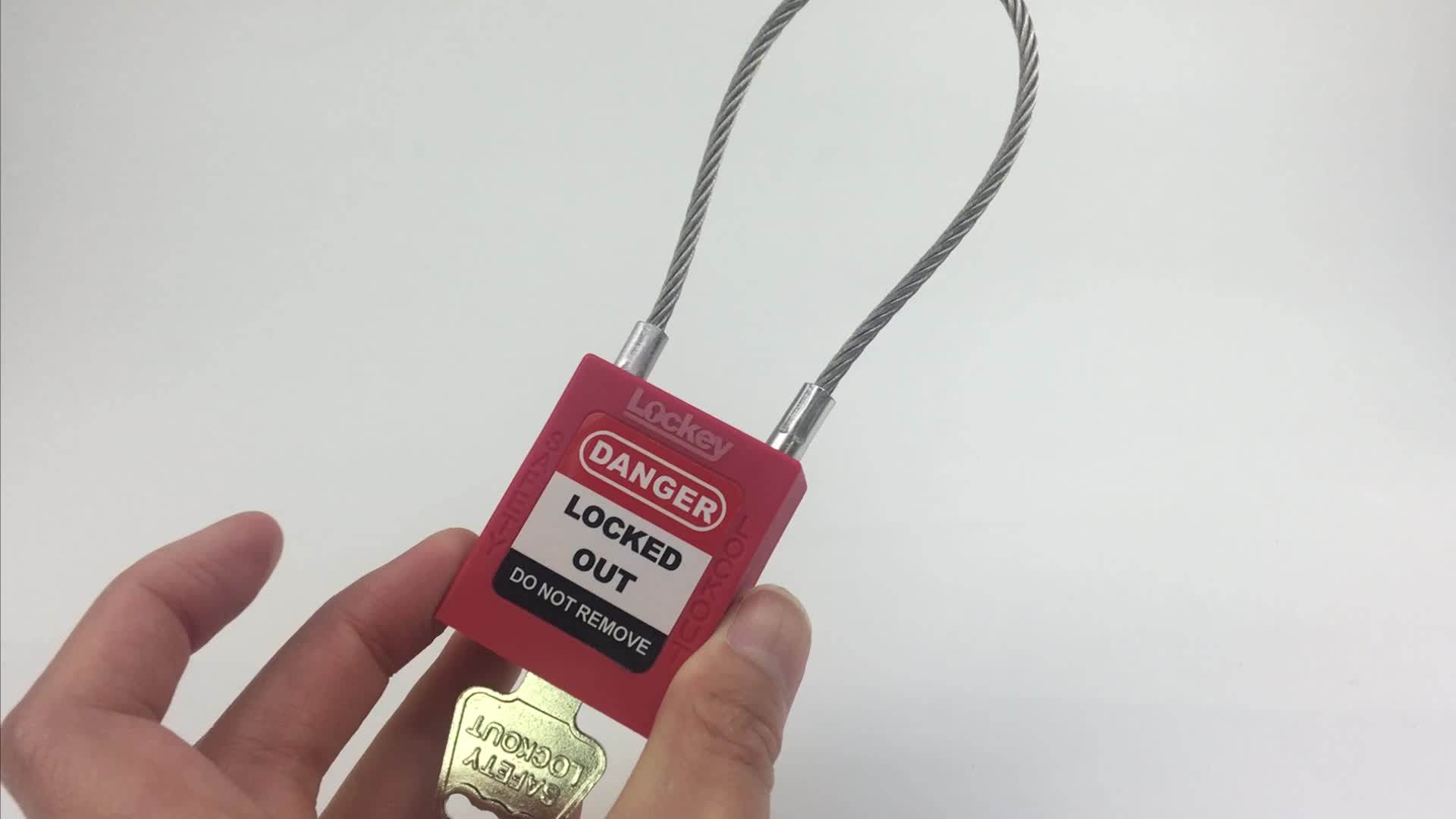
Lockout locks are not standard padlocks. They’re designed specifically for industrial isolation points and must meet strict criteria:
- Non-conductive bodies (often nylon or polymer) to prevent electrical conductivity
- Key-retaining mechanisms—keys can only be removed when the lock is closed, preventing accidental unlocking
- Durability—resistant to chemicals, moisture, and extreme temperatures
- Unique keying options—individual or group locks with master override systems
These locks attach directly to energy-isolating devices: circuit breakers, valve handles, disconnect switches, or control panels. Once applied, the equipment cannot be energized until the lock is removed by the authorized person.
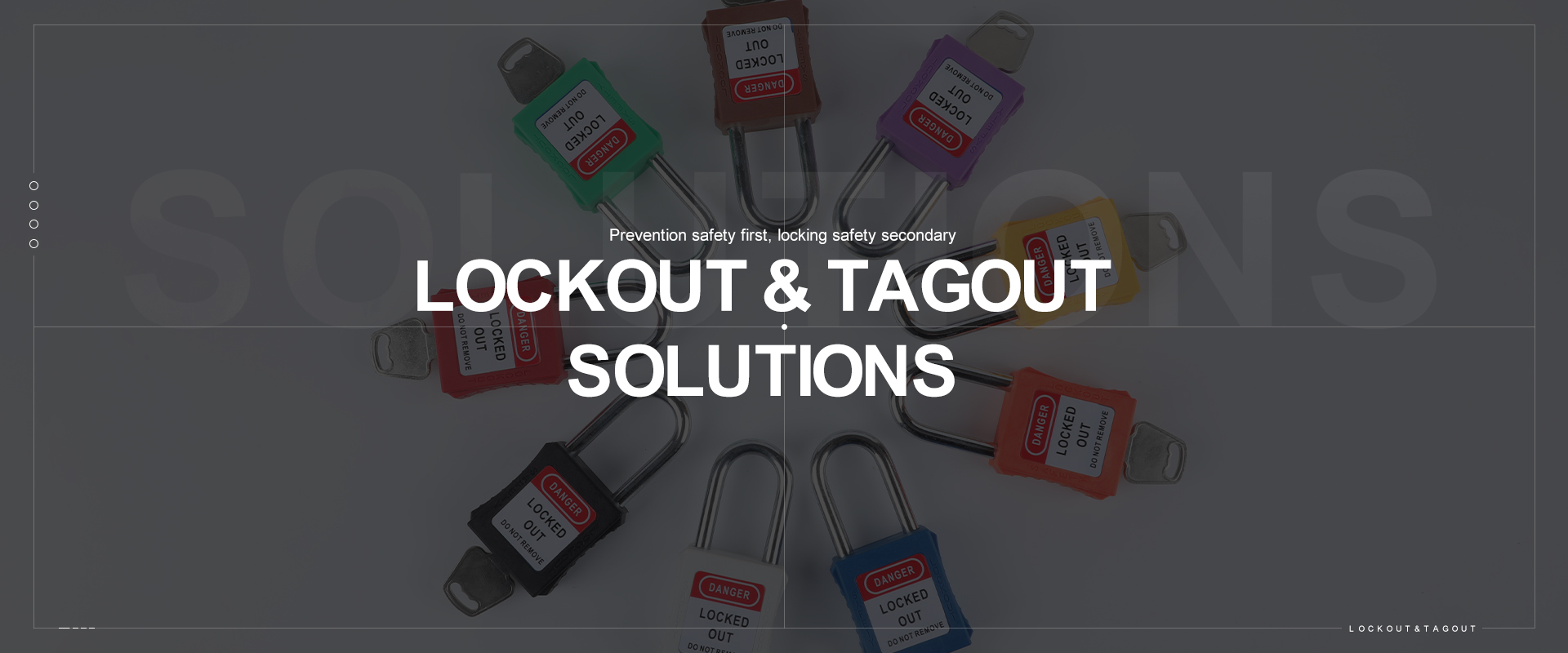
Best practices for using lockout locks: - Only the worker who applied the lock should remove it - Use lockout hasps when multiple workers are involved—each adds their own lock - Inspect locks regularly for damage or wear - Never share lock keys or bypass locks during “quick fixes”
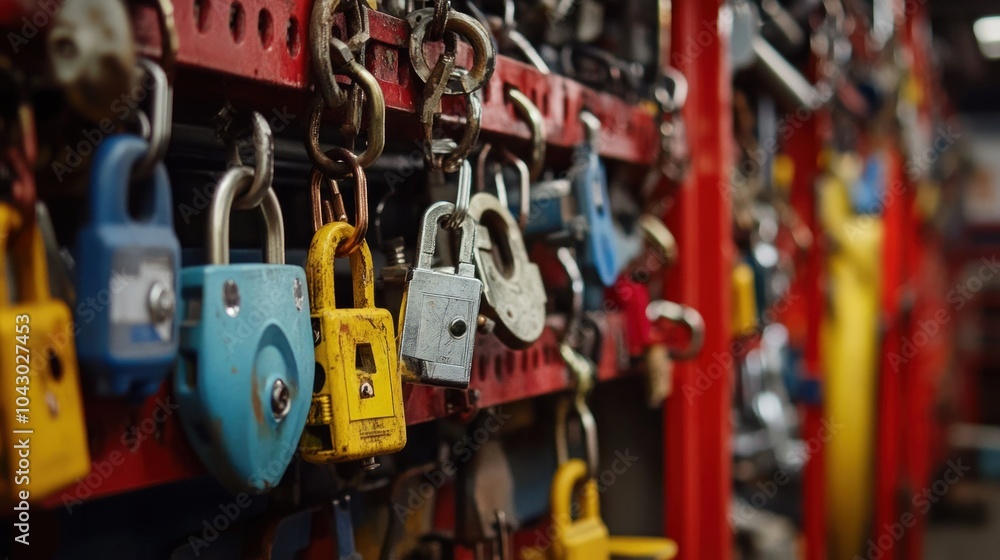
A common mistake? Using personal padlocks not rated for industrial environments. A $10 hardware-store lock may seem sufficient, but it can degrade under heat or conduct electricity—compromising the entire system.
The Role of Tagout Tags in Safety Communication
While locks stop machines physically, tags stop them psychologically. Tags are bright, standardized labels that convey vital information. They must include:
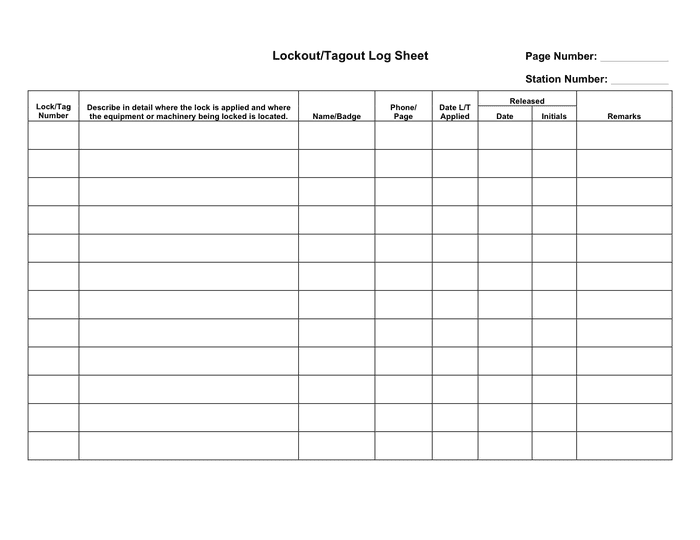
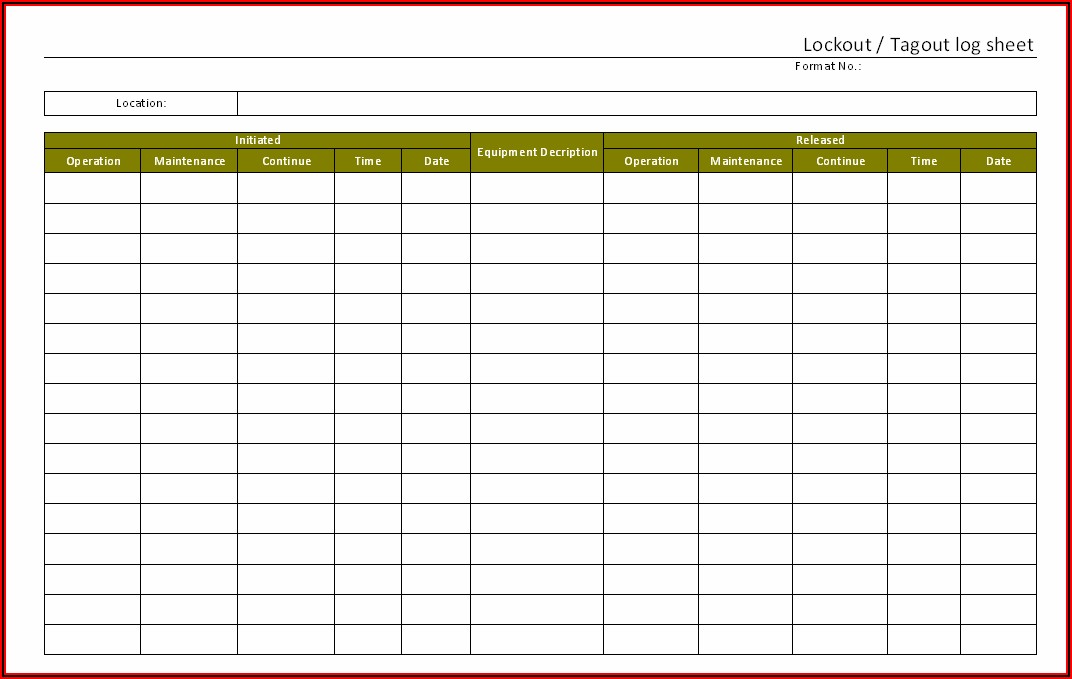
- Name of the authorized employee
- Date and time of lockout
- Reason for the outage
- Warning statement (e.g., “Do Not Operate” or “Danger: Do Not Start”)
OSHA standard 29 CFR 1910.147 requires tags to be durable, legible, and securely attached. They should withstand environmental conditions for the duration of the maintenance.
Tags are especially important in complex environments where shift changes or multiple teams are involved. Imagine a night crew tagging a transformer for repair. The day crew arrives—sees the tag—and knows not to energize the system, even if they weren’t briefed.
However, tags alone are not enough. OSHA permits tagout-only systems only if the tag provides equivalent protection to a lock. In most cases, that’s not feasible—making lock-and-tag the gold standard.
Industries That Rely on Lockout Locks and Tags
LOTO systems are universal, but some sectors depend on them more heavily due to high-risk equipment:
Manufacturing Assembly lines, robotic arms, and stamping presses require frequent maintenance. A single misstep can lead to amputations or crushing injuries.
Energy and Utilities Power plants and substations deal with high-voltage systems. Lockout ensures circuits are dead before work begins.
Construction Heavy machinery like cranes, excavators, and compressors need servicing. Locks prevent accidental activation on busy sites.
Healthcare Hospitals use LOTO for boilers, HVAC systems, and medical gas lines. Mistakes here can endanger patients and staff.
Food Processing Mixers, grinders, and ovens operate under high heat and pressure. Lockout prevents burns and mechanical failures.
In each case, the core principle remains: no maintenance without isolation, no isolation without verification, no verification without locks and tags.
Choosing the Right Lockout Locks and Tags
Not all devices are created equal. Selection depends on environment, energy type, and workforce size.
Here are five top-rated lockout solutions used across industries:
| Product | Type | Key Features | Best For |
|---|---|---|---|
| Brady SAFE-LOK Padlock | Plastic lock | Lightweight, non-conductive, 38mm shackle | Electrical panels, wet areas |
| Master Lock 1500iDAT | Steel padlock | Weather-resistant, 8mm shackle | Outdoor valves, heavy-duty use |
| Honeywell S871-01 | Tagout tag | Pre-printed, UV-resistant, tie-on design | Quick tagging, compliance audits |
| Grace Industries LOHAS3 | Lockout station | 10-lock hasp, storage for tags and locks | Group lockout, team maintenance |
| 3M DBI-SALA 3102550 | Valve lock | Fits multiple valve types, universal fit | Pipelines, chemical plants |
When selecting devices: - Match lock size to isolating mechanism (e.g., small shackles for circuit breakers) - Use color-coded locks by department (red for electrical, yellow for mechanical) - Ensure tags are multilingual if workforce is diverse - Store devices in accessible lockout stations near high-risk zones
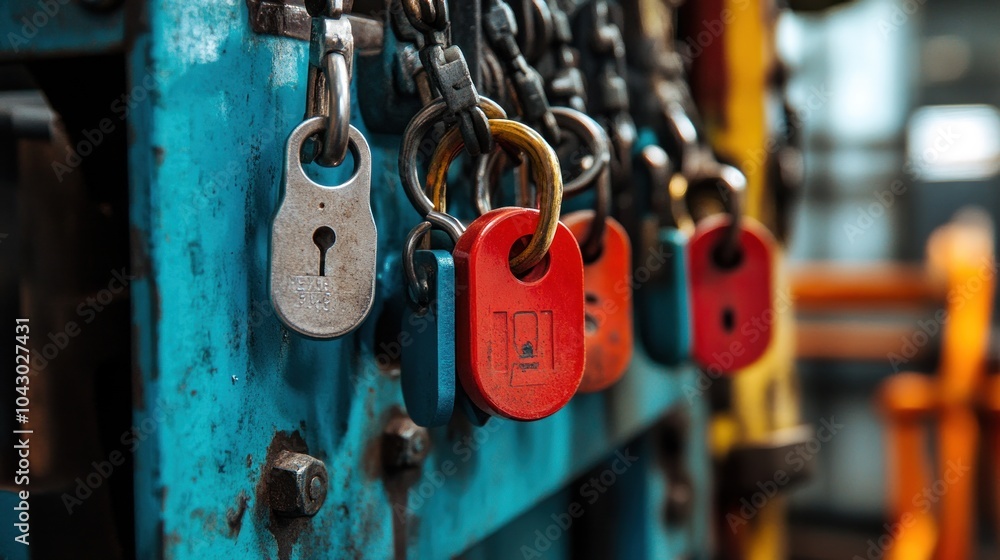
Avoid cheap, unbranded products. In safety, reliability trumps cost savings.
Common Mistakes That Undermine LOTO Programs
Even with locks and tags in place, failures still happen. Most result from procedural gaps, not equipment flaws.
1. Skipping the energy isolation check Workers assume a machine is off once locked. But residual energy—like compressed air or capacitors—can still discharge. Always test for zero energy.
2. Using locks without tags A lock alone doesn’t explain why a machine is down. Tags provide context and accountability.
3. Group lockout without proper coordination When multiple workers are involved, every individual must apply their own lock. Removing the last lock before all work is done is a deadly shortcut.
4. Allowing overrides without authorization Supervisors sometimes remove locks to meet production deadlines. This violates OSHA and sets a dangerous precedent.
5. Inadequate training New hires or temporary staff may not understand LOTO procedures. Training must be hands-on, documented, and repeated annually.
Fix these gaps with routine audits, refresher courses, and a clear chain of responsibility.
Implementing a LOTO Program: A Step-by-Step Workflow
A successful lockout process follows a structured sequence:
- Preparation
- Identify all energy sources and required control points.
- Notification
- Inform affected employees that maintenance is about to begin.
- Shutdown
- Turn off equipment using normal stopping procedures.
- Isolation
- Shut down energy at the source (e.g., flip breaker, close valve).
- Application of Locks and Tags
- Each authorized employee applies their lock and tag.
- Control of Stored Energy
- Bleed pressure, drain fluids, block moving parts.
- Verification
- Attempt to restart the machine (safely) to confirm it’s de-energized.
- Maintenance/Repair
- Perform the required work.
- Removal
- After work, each worker removes only their own lock. Re-energize only after clearance.
This workflow isn’t optional—it’s a legal requirement. Deviations should be documented and reviewed.
The Cost of Ignoring Lockout Procedures
Fines for LOTO violations are steep. OSHA penalties can exceed $15,000 per violation, with willful or repeated offenses reaching $156,259. But financial cost is just the surface.
Reputational damage, worker morale, insurance premiums, and operational downtime all rise after safety incidents. One preventable accident can shut down a facility for weeks.
More importantly, lives are at stake. Machinery doesn’t discriminate—it will injure anyone in its path. Lockout locks and tags are simple tools, but they represent a commitment to human dignity and workplace respect.
Every lock applied is a promise: This person’s safety matters more than production speed.
Lockout locks and tags are more than compliance tools—they’re symbols of a safety-first culture. Whether you’re managing a single machine or a 500-person plant, start today: audit your LOTO program, train your team, and ensure every energy source has a lock and a tag. Safety isn’t a policy; it’s a practice. Make it visible.
FAQ
What should you look for in Lockout Locks and Tags: The Ultimate Safety Guide? Focus on relevance, practical value, and how well the solution matches real user intent.
Is Lockout Locks and Tags: The Ultimate Safety Guide suitable for beginners? That depends on the workflow, but a clear step-by-step approach usually makes it easier to start.
How do you compare options around Lockout Locks and Tags: The Ultimate Safety Guide? Compare features, trust signals, limitations, pricing, and ease of implementation.
What mistakes should you avoid? Avoid generic choices, weak validation, and decisions based only on marketing claims.
What is the next best step? Shortlist the most relevant options, validate them quickly, and refine from real-world results.