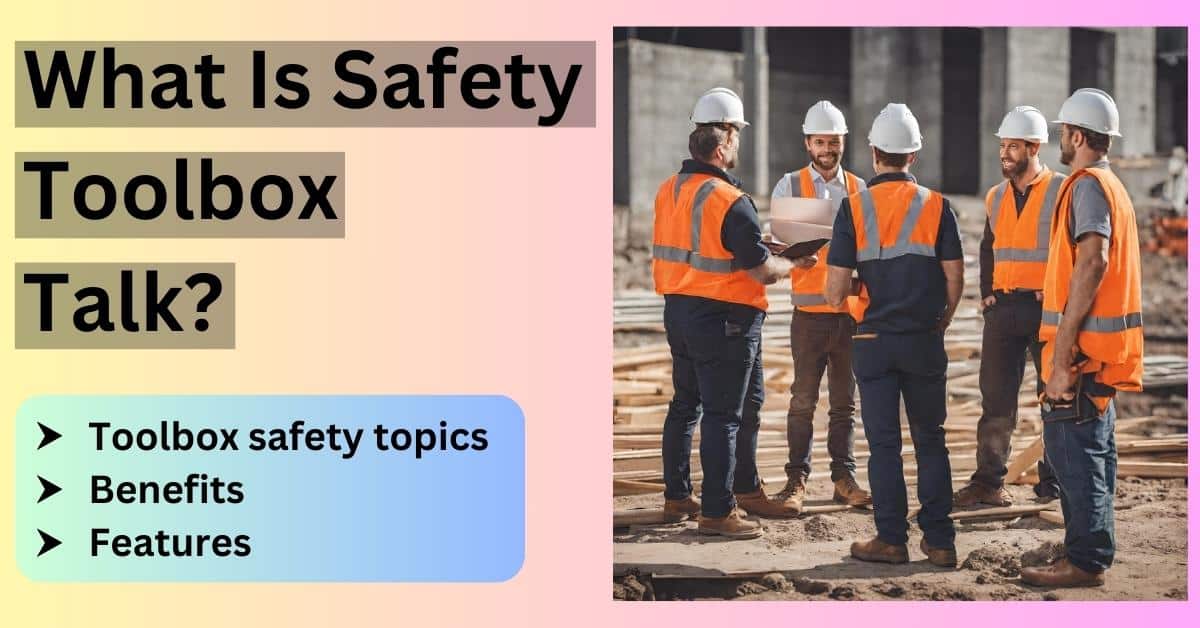
Most safety meetings fall flat. Workers zone out, supervisors recite checklists, and real hazard awareness barely improves. The problem isn’t the intent—it’s the content. Generic reminders about “wearing PPE” or “staying alert” don’t stick. What does? Focused, relevant, and practical toolbox talk topics that mirror real job conditions.
A well-run toolbox talk isn’t a lecture. It’s a 10- to 15-minute safety huddle designed to reinforce awareness, address immediate risks, and encourage team accountability. When done right, these micro-trainings reduce incidents, improve compliance, and foster a culture of proactive safety.
Below are high-impact toolbox talk topics backed by real-world use, complete with practical examples, common pitfalls, and delivery tips.
Why Most Toolbox Talks Fail
Many teams treat toolbox talks as a compliance checkbox. The result? Repetitive, vague, or off-topic discussions that don’t resonate. Common failures include:
- Overused topics: “Always wear your hard hat” gets old—and ignored.
- No site-specific context: Talking about fall hazards on a ground-level electrical job feels irrelevant.
- One-way delivery: Monologues don’t invite engagement. Workers tune out.
- No follow-up: If leadership doesn’t act on concerns raised, trust erodes.
The fix is simple: align each talk with real-time risks, crew roles, and recent incidents.
Top 10 High-Impact Toolbox Talk Topics
These topics are proven across industries—from commercial construction to facility maintenance. Each one addresses tangible hazards and encourages behavior change.
1. Proper Use of Personal Protective Equipment (PPE)
PPE isn’t just about wearing gear—it’s about using the right gear correctly. A talk here should clarify:
- Which PPE is required for specific tasks (e.g., face shield + respirator for grinding)
- Proper donning and doffing procedures
- Inspection routines for damaged or expired equipment
Example: A roofing crew recently had a near-miss when safety glasses fogged up, leading to a temporary removal. The follow-up talk emphasized anti-fog coatings and break schedules to wipe lenses—practical fixes, not just “wear them.”
Common Mistake: Assuming all PPE is one-size-fits-all. Hearing protection for a jackhammer job isn’t the same as for a warehouse forklift.
2. Ladder Safety on the Job Site
Ladders cause more injuries than most realize. Focus on:
- The 4:1 rule (for every 4 feet of height, base should be 1 foot out)
- Three-point contact during climbing
- Weight limits and positioning on uneven ground
Use Case: A maintenance team working in a mechanical room had a ladder slip due to oily floor residue. The next day’s talk included a demo on using non-slip ladder feet and pre-task surface checks.
Pro Tip: Have someone demonstrate improper vs. proper ladder setup—visuals drive the point home.
3. Hand Tool Safety and Maintenance
Hand tools cause more hand and finger injuries than power tools in many environments. Address:

- Inspecting tools for cracks, frayed handles, or dull blades
- Using the right tool for the job (e.g., no using a screwdriver as a chisel)
- Safe storage to prevent tripping hazards
Real Incident: A plumber cut his hand using a cracked pipe cutter. The tool had been in his bag for months with a hairline fracture. Post-incident talk stressed daily visual checks.
Checklist Suggestion: - Inspect before use - Report damaged tools immediately - Never modify tools (sharpening, grinding, etc.) without authorization
4. Hazard Communication and Chemical Safety
Many crews handle solvents, adhesives, or cleaning agents without understanding the risks. A strong talk covers:
- Reading Safety Data Sheets (SDS)
- Proper labeling and storage
- Emergency response for spills or exposure
Example: A painting crew didn’t realize their paint thinner required vapor-resistant gloves. After a case of dermatitis, the talk focused on matching PPE to SDS requirements.
Workflow Tip: Keep SDS binders or digital access points near mixing or storage areas.
5. Working at Heights and Fall Protection
Even short drops can be fatal. Discuss:
- When fall protection is required (OSHA: 6 feet in construction)
- Proper harness fitting and inspection
- Anchor point strength and positioning
Common Gap: Workers wearing harnesses but not connected. Emphasize that gear only works when used.
Engagement Tactic: Have the team inspect each other’s harnesses during the talk—peer review increases accountability.
6. Electrical Safety for Non-Electricians
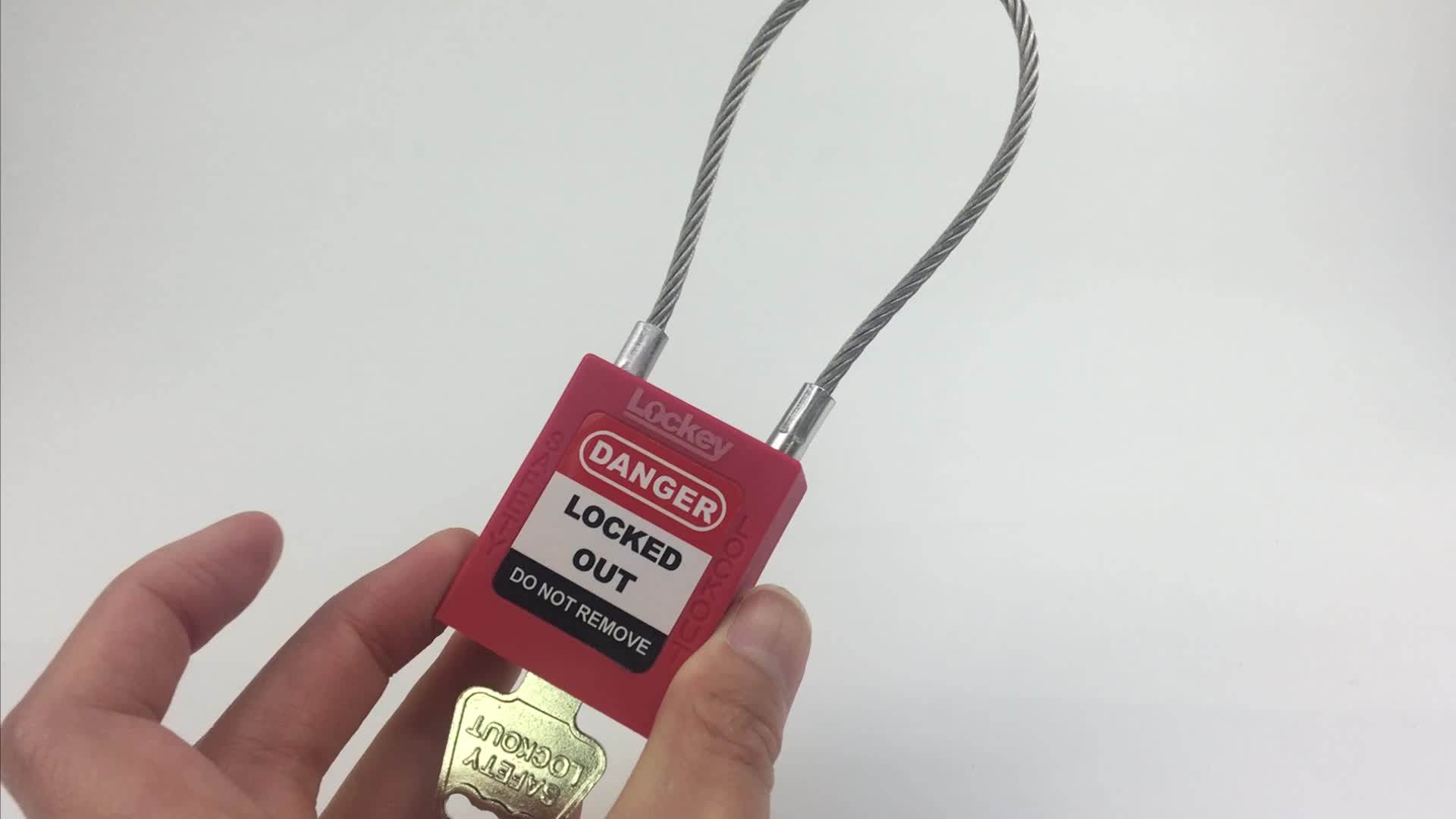
Not every worker understands arc flash or lockout/tagout (LOTO). Key points:
- Recognizing electrical hazards (exposed wires, overloaded outlets)
- Maintaining safe distances from live panels
- Reporting issues—no “I’ll just finish this real quick”
Use Case: A janitor unplugged a damaged vacuum but didn’t report it. Days later, another worker got shocked. The follow-up talk focused on reporting procedures and near-miss culture.
Rule of Thumb: If you didn’t install it, don’t touch it.
7. Safe Lifting and Manual Handling
Back injuries cost companies millions yearly. Focus on:
- Assessing load weight and grip points
- Using legs, not back
- Team lifting for loads over 50 lbs
Practical Demo: Show the difference between bending at the waist and squat-lifting with a toolbox or sandbag.
Red Flag: Workers who rush and skip proper form under time pressure. Address time demands honestly—safety isn’t the bottleneck.
8. Hot Work and Fire Prevention
Welding, cutting, grinding—these create fire risks. Cover:
- Fire watch requirements
- Clearing combustibles within 35 feet
- Having an extinguisher on-site and knowing how to use it
Real Risk: A spark from grinding traveled through a wall cavity and ignited insulation. The talk afterward included a site walkthrough to identify hidden fire paths.
Pro Insight: “Cold work permits” are just as important as hot work ones in high-risk zones.
9. Situational Awareness and Distraction
Distractions—phones, fatigue, noise—cause preventable incidents. Talk about:
- Recognizing high-risk zones (e.g., crane paths, vehicle traffic)
- The “pause before you proceed” habit
- Peer intervention: “Hey, your lanyard isn’t clipped”
Use Case: A worker stepped into a blind corner without looking, nearly colliding with a forklift. The next day’s talk used that moment to discuss shared responsibility for visibility.
Engagement Hack: Ask, “What distracted you this week?” Normalize the conversation.
10. Emergency Response and Site Evacuation
Everyone should know how to react when things go wrong. Review:
- Emergency alarms and signals
- Evacuation routes and muster points
- Roles during response (e.g., who grabs the first aid kit?)
Practical Drill: Conduct a surprise 60-second evacuation test, then debrief.
Critical Detail: Muster points must be upwind and away from hazards—never just “outside the building.”
Delivering Effective Toolbox Talks
Content matters, but delivery determines impact. Follow these best practices:
- Time it right: Early in the shift, before task focus kicks in.
- Keep it short: 10–15 minutes max. Respect workers’ time.
- Be interactive: Ask questions, invite stories, use show-and-tell.
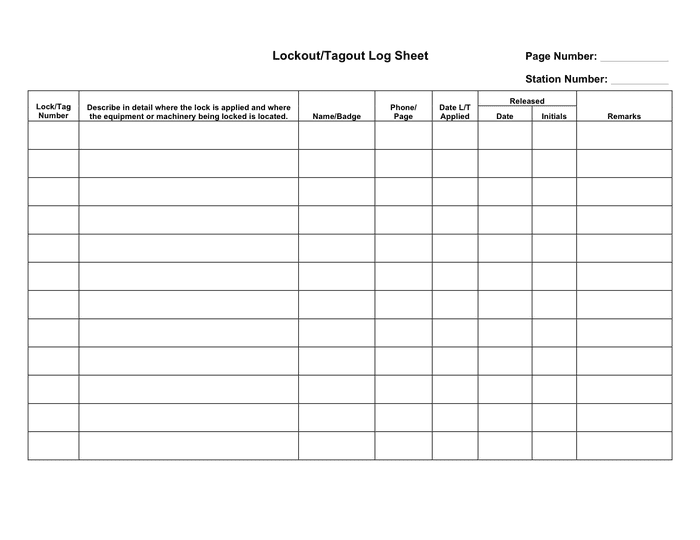
- Document it: Sign-in sheets prove compliance and track participation.
- Rotate facilitators: Empower crew leads or experienced workers to lead—fresh voices engage better.
Avoid death-by-PowerPoint. A real tool, a site photo, or a quick demo works better than slides.
Industry-Specific Adjustments
Tailor topics to your environment:
- Construction: Prioritize fall protection, scaffolding, and crane safety.
- Manufacturing: Emphasize machine guarding, LOTO, and repetitive motion.
- Utilities: Focus on confined space, electrical hazards, and underground markings.
- Facilities: Highlight chemical handling, ladder use, and emergency systems.
One-size-fits-all safety talks don’t work. A warehouse forklift operator needs different insights than a telecom tower climber.
Five Toolbox Talk Formats That Work
Not every talk needs the same structure. Mix it up:
- Incident Review: Break down a recent near-miss—what happened, why, how to prevent.
- Tool Inspection Demo: Pass around a damaged tool and have the team spot flaws.
- Scenario Drill: “What would you do if…?” questions spark critical thinking.
- Safety Swap: Two crew members trade PPE or tools and critique fit/use.
- Site Walkthrough: Conduct the talk on location—point to real hazards as you speak.
Variety keeps engagement high and reinforces learning.
Closing: Make Safety Stick
Toolbox talks aren’t about ticking boxes. They’re about shaping behavior. The best ones connect real risks to real people. They’re specific, timely, and actionable.
Pick a topic that matters today. Address what the crew actually faces. Ask questions. Listen. Act on feedback.
When workers see that safety discussions lead to real changes—better equipment, clearer procedures, responsiveness—they start to own it.
Run your next talk not because you have to, but because it might prevent an injury. That’s how culture changes.
Frequently Asked Questions
What are the most common toolbox talk topics? Fall protection, PPE use, ladder safety, hand tool handling, and hazard communication top the list due to their high incident rates and universal relevance.
How often should toolbox talks be held? Weekly is ideal for active sites. High-risk tasks may require daily talks. Monthly minimum for low-risk environments.
Who should lead a toolbox talk? Supervisors typically lead, but rotating experienced team members keeps it engaging and builds leadership.
Do toolbox talks need to be documented? Yes. Attendance logs with names, dates, topics, and signatures support compliance and incident investigations.
Can toolbox talks reduce workplace incidents? Yes—when done well. Studies show regular, focused safety huddles reduce recordable incidents by 20–30% over time.
Should toolbox talks be the same for every crew? No. Customize content to the crew’s tasks, environment, and recent incidents for maximum relevance.
How long should a toolbox talk last? Aim for 10 to 15 minutes. Long enough to cover key points, short enough to hold attention.
FAQ
What should you look for in Essential Toolbox Talk Topics for Safer Workplaces? Focus on relevance, practical value, and how well the solution matches real user intent.
Is Essential Toolbox Talk Topics for Safer Workplaces suitable for beginners? That depends on the workflow, but a clear step-by-step approach usually makes it easier to start.
How do you compare options around Essential Toolbox Talk Topics for Safer Workplaces? Compare features, trust signals, limitations, pricing, and ease of implementation.
What mistakes should you avoid? Avoid generic choices, weak validation, and decisions based only on marketing claims.
What is the next best step? Shortlist the most relevant options, validate them quickly, and refine from real-world results.