When multiple technicians service a single machine, confusion over control of hazardous energy can lead to catastrophic outcomes. A single missing lock, mislabeled tag, or premature re-energization puts lives at risk. The lockout tagout group lock box isn't just another piece of safety gear—it's a procedural anchor that enforces accountability when several workers must isolate the same energy source.
This device solves a real-world problem: how to maintain lockout integrity when five people—not one—are working on a conveyor system, boiler, or press. Without a structured method, coordination fails. Workers assume someone else applied a lock. Supervisors rush restarts. The result? OSHA violations and, worse, injuries.
The group lock box is the answer.
What Is a Lockout Tagout Group Lock Box?
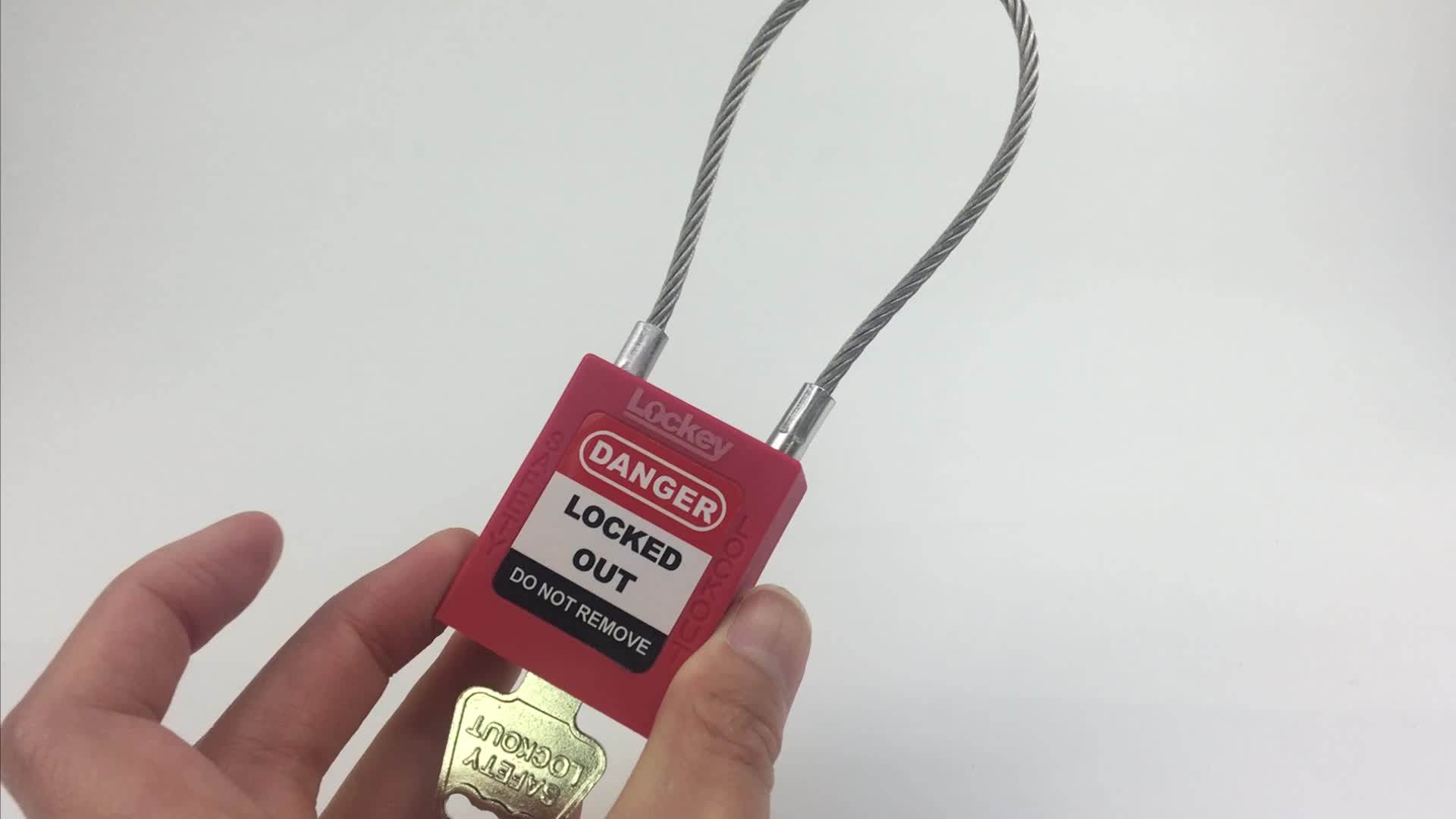
A lockout tagout group lock box is a centralized locking station used during maintenance involving multiple personnel. Instead of applying individual locks directly to energy isolation points—like circuit breakers, valves, or disconnects—each worker places their personal padlock on a hasp attached to the box. Inside the box are the keys or lockout devices that control the actual energy source.
Only when every worker has removed their lock can the box be opened and the primary lockout device removed. This ensures that no single person can restart machinery until all team members have completed their tasks and retrieved their locks.
It's a physical manifestation of the “last lock off, first lock on” principle—scaling individual responsibility to group operations.
How It Works: A Real-World Example
Imagine a packaging line shutdown involving an electrician, two mechanical technicians, a hydraulics specialist, and a supervisor. The line must be de-energized at the main disconnect, but plugging individual locks onto that single point isn’t feasible—there’s only one lockout point, yet five people need to verify safety.
Here’s the process:
- The primary energy source (main disconnect) is locked with a valve lockout or breaker lockout device.
- The key to that lock is placed inside the group lock box.
- Each worker applies their personal padlock to the box.
- Work begins only after all locks are applied.
- As each worker finishes, they remove their own lock.
- When the final lock comes off, the box opens, the key is retrieved, and the machine can be re-energized—only after a clear team check.
This prevents premature restarts and keeps control decentralized yet coordinated.
Why Standard Lockout Procedures Fall Short
Individual lockout works well for solo maintenance. But in team environments, it breaks down.
Common failure points include:
- Overcrowded isolation points: Five locks on one breaker lockout hasp? It’s physically impossible or creates a dangerous tangle.
- Assumption-based workflows: “I saw Joe lock it—he must’ve covered everything.” Assumptions kill.
- Lack of visibility: No clear way to know who’s still working inside a system.
- Supervisor override pressure: Restarting early because production is down.
A group lock box eliminates these gaps. It transforms a chaotic process into a visual, enforceable system. You can’t miss that two locks remain on the box. You can’t bypass them without cutting metal.

It’s not about more hardware—it’s about better human coordination.
Key Features of an Effective Group Lock Box
Not all lockout boxes are created equal. In high-risk industrial settings, the box must support real-world demands. Look for these features:
1. Durable, Non-Conductive Housing
Most are made of polycarbonate or reinforced plastic to resist impact, chemicals, and electrical hazards. Metal boxes risk conductivity and corrosion.
2. Clear Visibility See-through lids allow quick checks: Are all locks removed? Is the key inside? No opening required for status verification.
3. Multiple Lock Hasps Supports at least 6–12 padlocks. Some models offer expandable side hasps for larger teams.
4. Secure Internal Storage A fixed tray or compartment holds keys, tags, or small lockout devices without shifting during transport.
5. Mounting Options Wall brackets or magnetic backs let you fix the box near the machine—reducing misplacement risk.
6. Weather Resistance (for outdoor use) IP65-rated enclosures protect against dust and water in plants with washdown zones or outdoor equipment.
Common Mistakes When Using Group Lock Boxes
Even with the right equipment, human error persists. These pitfalls undermine safety:
Mistake 1: Using a Master Key Some managers keep a “master” key to bypass locks during emergencies. This violates OSHA’s principle of employee control. If a worker isn’t present to remove their lock, the machine stays locked.
Mistake 2: Improper Key Management Leaving the primary key loose in the box or using duplicates breaks the chain of control. One key, one source, one box.
Mistake 3: Skipping the Box During Short Repairs “Just five minutes—we don’t need the box.” Shortcuts are where accidents happen. The process must be mandatory, regardless of task length.
Mistake 4: Poor Training New hires might not understand the sequence. Without hands-on drills, they’ll default to old habits.
Mistake 5: One Person Applies All Locks A foreman slaps on five locks “for the team.” That defeats the purpose. Each lock must be applied by the individual who is performing work.
These aren’t minor oversights—they’re compliance red flags and accident precursors.
Top 5 Lockout Tagout Group Lock Boxes in Use Today
Choosing the right model depends on team size, environment, and integration with existing LOTO programs.
| Model | Lock Capacity | Material | Key Features |
|---|---|---|---|
| Brady BMP6S Lockout Station | 6 locks | Polycarbonate | Clear cover, wall-mount, internal organizer |
| Grainger 4Z850 | 12 locks | Reinforced plastic | Expandable hasps, UV-resistant, outdoor rated |
| Master Lock 1690D | 8 locks | ABS plastic | See-through, weatherproof, stackable design |
| Honeywell SCL5 | 6–10 locks | Polycarbonate | Magnetic base, internal clips for tags |
| DEWALT DLT200 | 6 locks | Industrial polymer | Compact, portable, includes tag kit |
Best for large teams: Grainger 4Z850 – High capacity and rugged for heavy plant use. Best for mobility: Honeywell SCL5 – Magnetic base sticks to machinery for temporary setups. Best value: Master Lock 1690D – Affordable, reliable, and widely available.
Always match the box to your team size. Running out of hasp space leads to shortcuts.
Integrating the Group Lock Box Into Your LOTO Program

A box alone won’t fix broken procedures. It must be embedded into a formal lockout tagout program.
Key integration steps:
- Update LOTO Procedures
- Revise written protocols to include group lockout steps. Define who initiates the box, how keys are stored, and verification steps.
- Assign a Coordinator (Optional)
- In complex shutdowns, one person manages the box but does not apply locks for others. They verify completion but don’t override.
- Conduct Drills
- Run simulated shutdowns. Have teams practice applying locks, retrieving keys, and verifying clearance.
- Audit Regularly
- Monthly checks should confirm boxes are used correctly, not bypassed during overtime or weekends.
- Label and Position
- Mount boxes near isolation points with clear signage: “Group Lockout Box – Do Not Open Until All Locks Removed.”
Integration isn’t just compliance—it’s culture-building. The box becomes a ritual, not an obstacle.
OSHA Compliance and the Group Lock Box
OSHA 29 CFR 1910.147 doesn’t explicitly require group lock boxes—but it does require that each authorized employee have control over the energy source during servicing.
The group lock box is the most practical way to meet this standard in team settings. OSHA has cited companies for failing to protect multiple workers, even when individual locks were used improperly.
In a 2020 enforcement case, a food processing plant was fined $76,000 after a worker was injured during a cleaning shift. The investigation found four technicians were working, but only one lock was on the disconnect. The absence of a group lockout system was cited as a critical failure.
Using a group lock box doesn’t just reduce risk—it strengthens your legal position during inspections.
When a Group Lock Box Isn’t Enough
No tool is universal. There are scenarios where additional controls are needed:
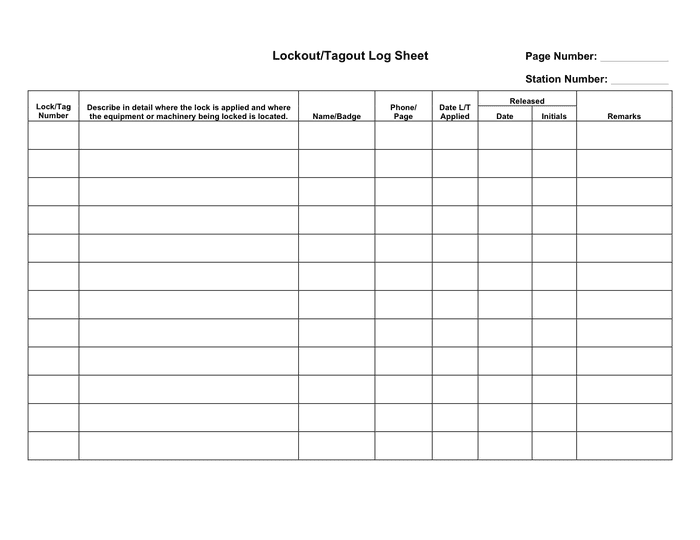
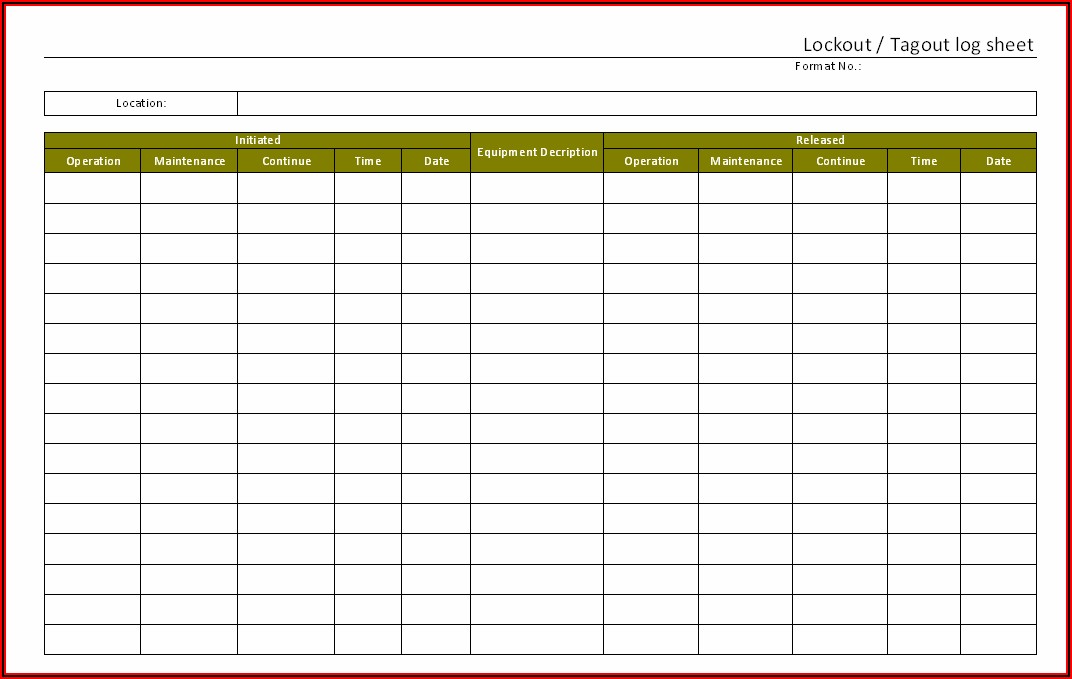
- Shift handovers: A night crew taking over from day workers needs a formal lock transfer process—often using lockout hasp extensions and signed logs.
- Contractors: Third-party workers must be included in the lockout. Their locks go on the same box, and they must be briefed on procedures.
- Complex systems with multiple energy sources: A hydraulic press may need electrical, pneumatic, and mechanical isolation. Multiple group boxes or cascaded systems may be required.
The group lock box is a powerful tool—but it’s part of a system, not a standalone fix.
Implement This Now: A 3-Step Action Plan
Don’t wait for an incident to act. Strengthen your team’s safety today:
- Assess Your High-Risk Machines
- Identify equipment routinely serviced by two or more people. Start with conveyors, presses, mixers, and boilers.
- Purchase and Deploy Boxes
- Buy one box per high-risk zone. Train supervisors and post procedures nearby.
- Run a Drill Within 7 Days
- Simulate a shutdown. Have your team use the box from start to finish. Observe gaps, correct mistakes, and reinforce discipline.
Safety isn’t about buying gear—it’s about building habits. The group lock box gives you a physical tool to anchor those habits.
Use it consistently. Insist on compliance. Make it non-negotiable.
Because when five people are working on one machine, the last thing you want is for one of them to be forgotten.
Frequently Asked Questions
What is the purpose of a group lockout box? It enables multiple workers to collectively control the release of a single energy-isolating device, ensuring no one can restart machinery until all have finished their work.
Can a supervisor remove a worker’s lock from the box? Only under strict OSHA-defined procedures involving verification that the worker is not present and cannot be contacted—never as a routine practice.
Where should the group lock box be placed? Near the machine or primary isolation point, securely mounted and clearly visible to all team members.
Do all workers need to use the box even for brief tasks? Yes. Duration doesn’t reduce risk. Any energy-related work requires full lockout, regardless of time.
Can the same box be used for different machines? Yes, but only one machine should be locked out at a time using that box. Never mix isolation keys for multiple systems.
What happens if a worker loses their lock key? The lock must be cut off following company protocol, with documentation and investigation to prevent recurrence.
Are electronic group lockout systems available? Yes—some digital systems use RFID tags and smart boxes for tracking, but mechanical padlocks remain OSHA-compliant and more reliable in harsh environments.
FAQ
What should you look for in Lockout Tagout Group Lock Box: The Key to Team Safety? Focus on relevance, practical value, and how well the solution matches real user intent.
Is Lockout Tagout Group Lock Box: The Key to Team Safety suitable for beginners? That depends on the workflow, but a clear step-by-step approach usually makes it easier to start.
How do you compare options around Lockout Tagout Group Lock Box: The Key to Team Safety? Compare features, trust signals, limitations, pricing, and ease of implementation.
What mistakes should you avoid? Avoid generic choices, weak validation, and decisions based only on marketing claims.
What is the next best step? Shortlist the most relevant options, validate them quickly, and refine from real-world results.